Azerbaijan, Georgia, Uzbekistan
XcitiumRequest a demo
MenuClose
← Xcitium solutions

Healthcare

Cybersecurity for healthcare

Clinical services rely on electronic health records, connected medical devices, labs, reception systems and cloud applications. Security actions should follow clinical and operational decisions that protect patient care.

Discuss your environment ↗
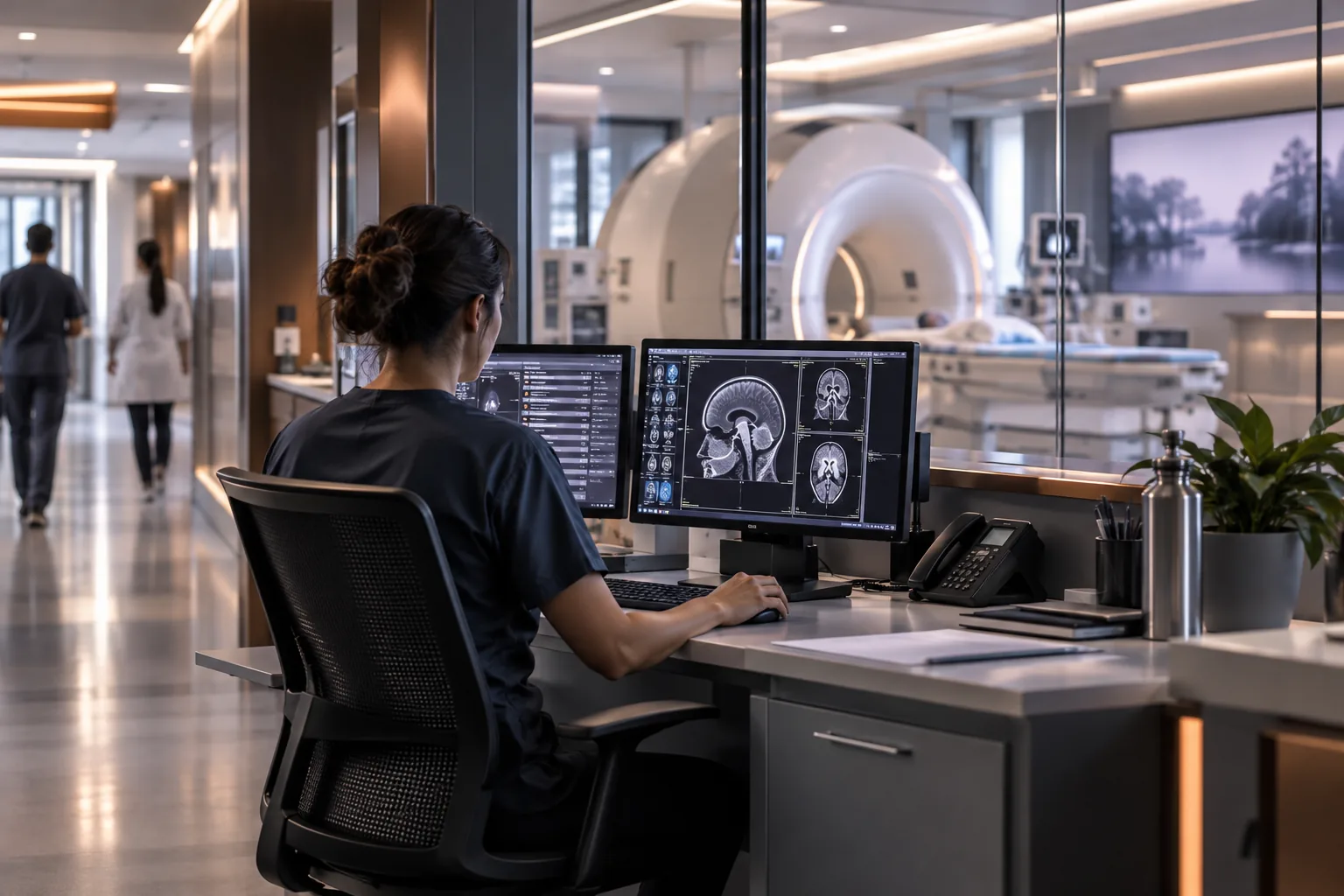
Healthcare professional at a clinical workstation beside a diagnostic suite — illustration

Operational continuity

Protection shaped around the work

Xcitium contains unknown-file execution and brings endpoint, cloud and identity visibility together. Clinical work depends on timely access to health records and available equipment. Incident plans need to account for continuity of care and dependencies between systems. Review agent support and the impact of isolating a medical device with clinical engineers and its manufacturer.

  1. Clinical service continuity

    Document dependencies across EHR, diagnostics, registration and clinical communications. Assign an owner to assess the clinical impact of containment.

  2. Diverse medical devices

    Record device owner, vendor, OS version, network zone and maintenance window. Expand coverage only after review with the vendor and clinical engineering.

  3. Access to patient information

    Review data paths from clinical, registration, support and third-party accounts. Retain records of role changes and suspicious access under organizational policy.

In practice

Solutions for specific working scenarios

02

Suspicious activity on a medical-device network

A device makes an unusual connection. Network and clinical engineering teams identify the device, dependencies and vendor support; containment follows a clinical risk review by the service owner.

A considered rollout

From requirements to a measurable pilot

  1. 01

    Map clinical dependencies

    Record clinical services, EHR and support systems, device groups, vendor paths and critical operating hours. Include clinical engineering and clinical leadership in the security work.

  2. 02

    Validate compatibility and impact

    Choose supported office endpoints and lower-risk clinical devices for a pilot. Test the workflow impact of policies, agents, network flows and recovery steps.

  3. 03

    Manage change with service owners

    Review outcomes with security, IT, clinical engineering and clinical leadership. Fit changes to maintenance schedules, document exceptions and name who can pause rollout.

Xcitium sector reference ↗

Before you decide

Questions, answered

Can agents be installed on medical devices?

It depends on the model, OS and vendor support terms. Confirm compatibility and expected behaviour with clinical engineering and the device vendor before installation.

Could isolating a medical system interrupt clinical service?

Some devices sit directly in a clinical workflow. Tie isolation and remediation to the clinical owner’s risk review, an approved procedure and an emergency recovery plan.

Do technical controls automatically ensure HIPAA or local legal compliance?

No. Technical controls alone do not establish HIPAA or local legal compliance. The organization should identify applicable requirements and review evidence with the responsible teams.

Explore other sectors

Energy↗Government↗Finance↗Education↗

Xcitium

Start with your environment

Discuss your needs ↗